

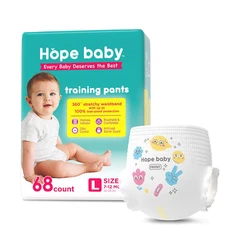

In recent years, the global push towards sustainability has influenced every corner of the consumer goods market, and the baby and toddler product industry is no exception. As a supplier of Junior Pull Up Pants, I've witnessed firsthand the growing demand from parents for products that are not only functional but also environmentally friendly. This has led me to explore the question: Are Junior Pull Up Pants made with sustainable materials?
The Current State of Sustainable Materials in Pull - Up Pants
The traditional manufacturing of pull - up pants has long relied on a combination of plastics, synthetic fibers, and chemical additives. These materials are chosen for their absorbency, durability, and cost - effectiveness. However, they come with a significant environmental cost. Plastic components, such as polyethylene and polypropylene, are derived from non - renewable fossil fuels and can take hundreds of years to decompose in landfills.
In response to these concerns, many manufacturers, including our company, have started to explore sustainable alternatives. One of the most promising materials is plant - based plastics. For example, polylactic acid (PLA) is a biodegradable polymer made from renewable resources like corn starch or sugarcane. It can be used in the outer layer of pull - up pants, providing a more sustainable alternative to traditional plastics.
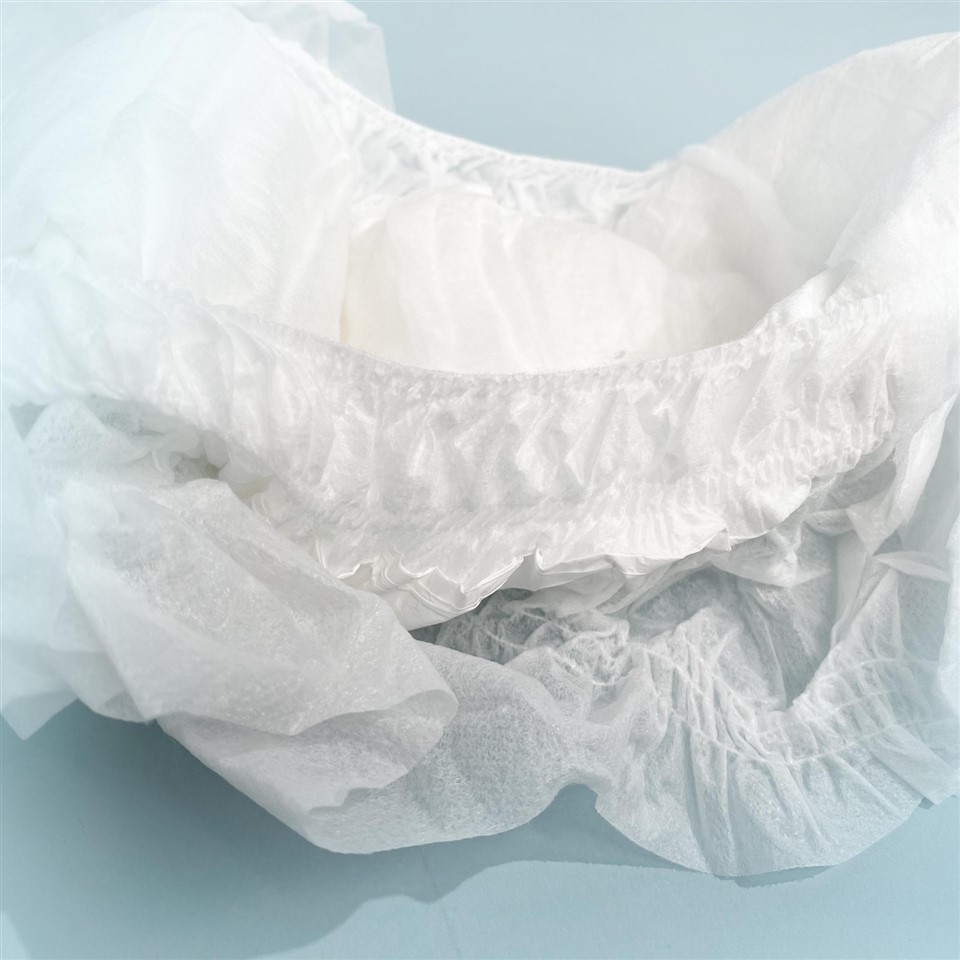
Another sustainable material option is bamboo. Bamboo is a fast - growing, renewable resource that requires less water and pesticides compared to cotton. It is also naturally antibacterial and breathable, making it an ideal choice for the inner lining of pull - up pants. Some of our products incorporate bamboo fibers to enhance comfort and reduce the environmental impact.
Our Commitment to Sustainability
As a supplier, we are committed to using sustainable materials in our Junior Pull Up Pants. We understand that parents are increasingly conscious of the environmental footprint of the products they buy for their children. That's why we have invested in research and development to find the best sustainable alternatives.
Our Night Time Training Pants 2t are a prime example of our commitment. These pants are designed for overnight use and are made with a significant percentage of plant - based materials. The outer layer is made from a blend of PLA and recycled materials, reducing the reliance on virgin plastics. The inner lining is crafted from soft, bamboo fibers, which are not only gentle on the baby's skin but also more sustainable.
Similarly, our Easy Ups Training Pants are also made with sustainability in mind. These pants are designed for toddlers who are in the process of potty training. We use a combination of recycled materials and natural fibers to create a product that is both functional and eco - friendly. The elastic waistband and leg cuffs are made from recycled rubber, further reducing the environmental impact.
The Benefits of Using Sustainable Materials
There are several benefits to using sustainable materials in Junior Pull Up Pants. Firstly, from an environmental perspective, using renewable resources and reducing the use of non - renewable plastics helps to conserve natural resources and reduce waste. Biodegradable materials break down more quickly in landfills, reducing the long - term environmental impact.
Secondly, sustainable materials are often better for the baby's skin. Natural fibers like bamboo are hypoallergenic and breathable, reducing the risk of skin irritation and rashes. This is especially important for babies with sensitive skin.

Thirdly, as more consumers become environmentally conscious, offering sustainable products can give our company a competitive edge in the market. Parents are more likely to choose products that align with their values, and by providing sustainable pull - up pants, we can attract a larger customer base.
Challenges in Using Sustainable Materials
While the use of sustainable materials in Junior Pull Up Pants offers many benefits, there are also some challenges. One of the main challenges is cost. Sustainable materials are often more expensive than traditional materials. For example, plant - based plastics and bamboo fibers can cost more to produce and source. This can make the final product more expensive for consumers, which may limit its market appeal.
Another challenge is performance. Some sustainable materials may not perform as well as traditional materials in terms of absorbency and durability. For example, bamboo fibers may not be as absorbent as synthetic materials, which could lead to leaks. To address this, we are constantly researching and developing new manufacturing techniques to improve the performance of sustainable materials.
Future Outlook
Despite the challenges, the future looks bright for sustainable Junior Pull Up Pants. As technology advances, we expect to see more cost - effective and high - performing sustainable materials entering the market. We are also working on improving our manufacturing processes to reduce waste and energy consumption.
In addition, we believe that consumer awareness and demand for sustainable products will continue to grow. As more parents become educated about the environmental impact of traditional pull - up pants, they will be more likely to choose sustainable alternatives. This will drive further innovation in the industry and lead to a more sustainable future for baby and toddler products.
Conclusion
In conclusion, while there are still challenges to overcome, Junior Pull Up Pants can be made with sustainable materials. Our company is committed to leading the way in this area by offering high - quality, eco - friendly products. We believe that by using sustainable materials, we can not only reduce the environmental impact of our products but also provide a better experience for babies and parents.
If you are interested in learning more about our sustainable Junior Pull Up Pants or would like to discuss a potential purchase, please feel free to reach out. We are always happy to engage in discussions about our products and how they can meet your needs.
References
- "Sustainable Materials in Baby Products: A Review," Journal of Environmental Science and Technology
- "The Impact of Sustainable Manufacturing on the Baby and Toddler Industry," International Journal of Sustainable Development