


Can incontinence pads be used for stress incontinence?
Hey there! I'm an incontinence pads supplier, and I often get asked if our pads can be used for stress incontinence. Well, let's dive right into it.
Stress incontinence is a common condition where there's an involuntary leakage of urine when there's an increase in abdominal pressure. This can happen during activities like coughing, sneezing, laughing, or even exercise. The main cause is usually a weakening of the pelvic floor muscles.
Now, the good news is that incontinence pads can definitely be a great solution for stress incontinence. They're designed to absorb and hold the leaked urine, keeping you dry and comfortable.
Our range of incontinence pads is specifically engineered to handle different levels of urine leakage. Whether it's a light dribble or a more significant amount, we've got you covered.
Let's talk about some of the features of our incontinence pads that make them suitable for stress incontinence. First off, they have excellent absorbency. The materials used are designed to quickly soak up the urine and lock it away, preventing any leakage onto your clothes. This means you can go about your daily activities with confidence, knowing that you're protected.
Another important feature is the fit. Our pads are designed to fit snugly against your body, reducing the chances of movement and ensuring maximum protection. They also have a soft and comfortable surface, so you won't feel any irritation or discomfort even after wearing them for an extended period.
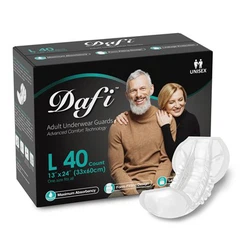
We have different types of incontinence pads to suit different needs. For men, we have Prostate Incontinence Pads and Adult Incontinence Pads for Men. These are designed to provide targeted protection for male-specific issues.


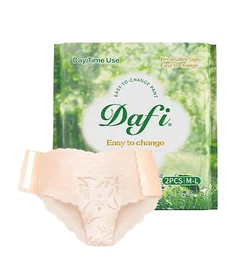
For women, we have Female Faecal Incontinence Pads that are specifically designed to handle both urine and fecal incontinence. They offer a high level of absorbency and protection, ensuring that you stay clean and dry.
But it's not just about the product itself. We also understand the importance of discretion. Our incontinence pads are designed to be discreet, so no one will even know you're wearing them. They're thin and lightweight, and they can easily be hidden under your clothes.
In addition to their practical benefits, using incontinence pads can also have a positive impact on your quality of life. It can give you the freedom to do the things you love without having to worry about embarrassing leaks. You can socialize, exercise, and travel with confidence, knowing that you're protected.
Now, if you're considering using incontinence pads for stress incontinence, here are a few tips to keep in mind. First, make sure you choose the right size. A pad that's too small won't provide enough protection, while a pad that's too large can be uncomfortable and may not fit properly.
It's also important to change your pads regularly. This will help prevent any skin irritation and keep you feeling fresh and clean. Depending on the level of leakage, you may need to change your pads every few hours or as needed.
Finally, don't be afraid to ask for help. If you're not sure which type of pad is right for you, or if you have any questions about using them, our team is here to assist you. We can provide you with all the information you need to make an informed decision.
In conclusion, incontinence pads are a great solution for stress incontinence. They offer excellent absorbency, a comfortable fit, and discreet protection. Whether you're a man or a woman, we have a range of pads to suit your needs.
If you're interested in learning more about our incontinence pads or would like to discuss your specific requirements, we'd love to hear from you. Contact us to start a conversation about your procurement needs. We're here to help you find the best solution for your stress incontinence.
References:
- Mayo Clinic. (2023). Stress incontinence. Retrieved from [Mayo Clinic website]
- National Institute of Diabetes and Digestive and Kidney Diseases. (2023). Urinary incontinence in adults. Retrieved from [NIDDK website]