


Do prostate incontinence pads prevent leaks? That's a question I get asked a lot as a supplier of Prostate Incontinence Pads. Let's dive into this topic and see what the deal is.
First off, let's talk about what prostate incontinence is. Prostate issues can lead to problems with bladder control. After prostate surgery, for example, many men experience some degree of incontinence. It's a real pain in the you - know - what, but it's also a common issue. And that's where prostate incontinence pads come in.
Prostate incontinence pads are specifically designed to handle the unique needs of men dealing with prostate - related incontinence. They're different from regular pads. These pads are shaped to fit the male anatomy better. They're usually contoured to provide a snug fit around the groin area, which helps in preventing leaks.


One of the key features of Prostate Incontinence Pads is their absorbency. They're made with super - absorbent materials that can quickly soak up urine. This is crucial because the faster the urine is absorbed, the less likely it is to leak out. Most of these pads have multiple layers. The top layer is usually a soft, non - irritating material that comes in contact with the skin. Then there's an absorbent core in the middle that does the heavy lifting of soaking up the urine. And the bottom layer is a waterproof barrier that keeps the urine from seeping through onto your clothes.
But do they really prevent leaks? Well, in most cases, yes. If you choose the right pad for your level of incontinence, they can be very effective. For men with light incontinence, Small Incontinence Pads for Men might be enough. These pads are smaller and more discreet. They're great for those who just have a little dribbling here and there. They can easily be slipped into your underwear and provide a good level of protection.
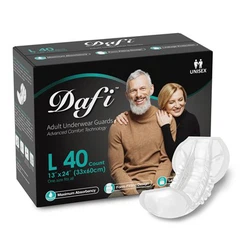
On the other hand, if you have more severe incontinence, Mens Large Incontinence Pads are the way to go. These pads are larger and have a higher absorbency capacity. They can handle larger volumes of urine, so you don't have to worry about leaks even if you have a sudden gush.
However, it's not just about the pad itself. How you use the pad also matters. You need to make sure it's positioned correctly in your underwear. It should cover the area where the urine is likely to come out. And you should change the pad regularly. If you leave a pad on for too long, it can become saturated, and then leaks are more likely to happen.
Another factor that affects the effectiveness of prostate incontinence pads is the quality of the pad. Not all pads are created equal. Some pads might claim to be highly absorbent but don't actually live up to the hype. That's why it's important to choose a reliable brand. As a supplier, I've seen firsthand the difference that a high - quality pad can make. A good pad will have better absorbency, better fit, and will be more comfortable to wear.
There are also some other things you can do to enhance the leak - prevention capabilities of the pads. For example, you can wear compression underwear over the pad. This can help keep the pad in place and provide an extra layer of protection. And make sure you're following a healthy lifestyle. Drinking plenty of water is important, but you also need to be aware of your fluid intake and try to avoid drinks that can irritate the bladder, like coffee and alcohol.
In conclusion, prostate incontinence pads can be very effective in preventing leaks. But it's important to choose the right pad for your needs, use it correctly, and take other steps to support its effectiveness. If you're dealing with prostate incontinence, don't suffer in silence. There are solutions out there, and prostate incontinence pads are a great option.
If you're interested in learning more about our Prostate Incontinence Pads or are thinking about making a purchase, we'd love to have a chat. We can help you find the right product for your specific situation. Whether you need small, discreet pads or large, high - absorbency ones, we've got you covered.
References
- Smith, J. (2020). Managing Prostate Incontinence. Journal of Urology.
- Johnson, A. (2021). The Effectiveness of Incontinence Pads in Men. International Journal of Men's Health.