

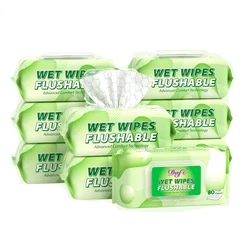

As a supplier of incontinence pads for men, I understand the importance of proper disposal. It's not just about keeping things clean; it's also about health and environmental concerns. In this blog, I'll share some tips on how to ensure the proper disposal of men's incontinence pads.
Why Proper Disposal Matters
First off, let's talk about why proper disposal is so crucial. Incontinence pads often contain bodily fluids, which can carry bacteria and other pathogens. If not disposed of correctly, these pads can become a breeding ground for germs, posing a risk to both the environment and human health.
For the environment, improper disposal can lead to pollution. When incontinence pads end up in landfills, they can take a long time to decompose, especially if they're made of non - biodegradable materials. This contributes to the growing problem of waste accumulation.
Step - by - Step Guide to Disposal
1. Seal the Pad
Once the incontinence pad has been used, the first thing you should do is seal it properly. Most modern men's incontinence pads come with a built - in adhesive strip for this purpose. Simply fold the pad in half or roll it up and use the adhesive strip to secure it. This helps to contain any odors and prevent the leakage of fluids.
2. Place in a Plastic Bag
After sealing the pad, place it in a plastic bag. A small, sturdy plastic bag will do the trick. This extra layer of protection further reduces the risk of leakage and helps to keep the odor contained. Make sure to tie the bag tightly to prevent any accidental spills.

3. Check Local Regulations
Different areas have different rules when it comes to waste disposal. Some places may require you to dispose of incontinence pads in a specific way, such as in a special waste bin or through a medical waste collection service. It's important to check with your local waste management authority to find out what the regulations are in your area.
4. Dispose in the Right Bin
If your local regulations allow it, you can dispose of the sealed and bagged incontinence pad in your regular household trash bin. However, if you're dealing with a large amount of used pads or if the pads are heavily soiled, it may be better to use a separate bin or contact a medical waste disposal service.
Choosing the Right Incontinence Pads
As a supplier, I know that choosing the right incontinence pads can also make a difference in the disposal process.
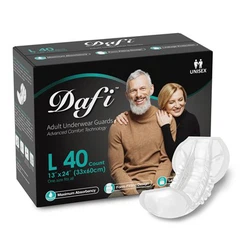
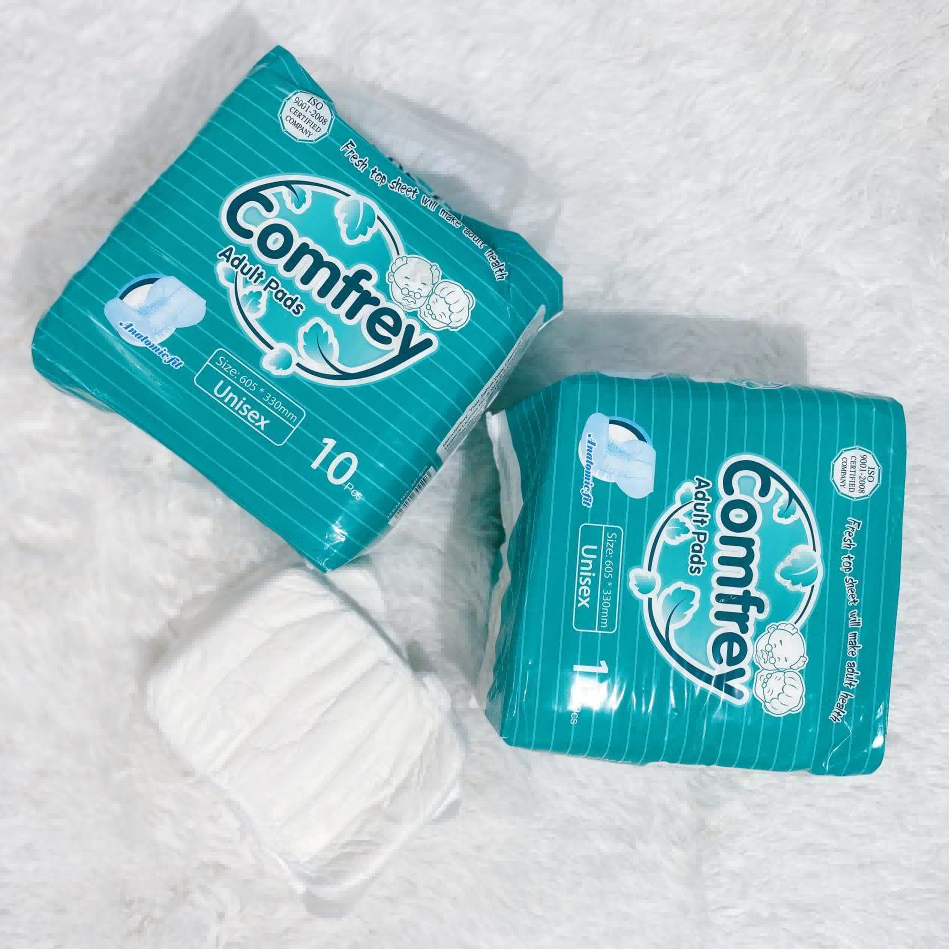
If you're looking for large - sized pads, you can check out our Mens Large Incontinence Pads. These pads are designed to provide maximum absorbency and comfort for men with heavier incontinence needs.
For those with lighter incontinence, our Small Incontinence Pads for Men are a great option. They're more discreet and easier to manage.
And of course, our Adult Incontinence Pads for Men offer a wide range of options to suit different needs and preferences.
Environmental Considerations
In addition to proper disposal, we should also think about the environmental impact of incontinence pads. Some manufacturers are now producing biodegradable or eco - friendly incontinence pads. These pads are made from materials that break down more easily in the environment, reducing the long - term impact on landfills.
When choosing incontinence pads, look for products that are labeled as biodegradable or made from sustainable materials. This way, you can do your part to protect the environment while still taking care of your incontinence needs.
Tips for Caregivers
If you're a caregiver for a man with incontinence, there are a few extra things you can do to ensure proper disposal.
- Wash Your Hands: Always wash your hands thoroughly after handling used incontinence pads. This helps to prevent the spread of germs.
- Use Gloves: Wearing gloves when changing and disposing of pads can provide an extra layer of protection.
- Educate the Person: If the person with incontinence is able to understand, educate them about the importance of proper disposal. This can help to ensure that they follow the correct procedures.
Conclusion
Proper disposal of men's incontinence pads is essential for maintaining good health and protecting the environment. By following the steps outlined in this blog, you can ensure that your used pads are disposed of safely and responsibly.
If you're interested in purchasing high - quality incontinence pads for men, we're here to help. We offer a wide range of products to meet your needs. Whether you're looking for large pads, small pads, or something in between, we've got you covered. Contact us to start a procurement discussion and find the best solution for you.
References
- Centers for Disease Control and Prevention (CDC). Guidelines for proper waste disposal.
- Environmental Protection Agency (EPA). Information on waste management and environmental impact.