

Hey there! As a supplier of diaper pants, I often get asked the question, "How long do diaper pants last?" It's a super important question, especially for parents, caregivers, and even adult users. Let's dig into this topic and find out all about it.
Factors Affecting the Lifespan of Diaper Pants
First off, there are several factors that can influence how long diaper pants can be used. One of the most obvious ones is the absorbency of the diaper. Different diaper pants have different levels of absorbency, which are usually designed for different age groups and usage scenarios. For example, newborns tend to pee more frequently but in smaller amounts, so diapers for them are often designed to handle light to moderate wetness. On the other hand, older babies and toddlers can hold more urine, so the diapers for them need to have higher absorbency.
The quality of the materials used in the diaper also plays a huge role. High - quality diaper pants are made with better absorbent cores, soft outer layers, and reliable elastic bands. These materials not only make the diaper more comfortable for the wearer but also ensure that it can perform well over a longer period. Cheaper diapers may break down or leak more easily, which means they need to be changed more often.
Another factor is the activity level of the wearer. If a baby or adult is very active, they may move around a lot, which can cause the diaper to shift and potentially lead to leaks. In this case, diaper pants with better fit and elasticity are needed. For instance, if a toddler is constantly running, jumping, and climbing, a diaper that can stay in place and adapt to their movements will last longer without leaking.
How Long Can Diaper Pants Last for Different Age Groups
Newborns
Newborns typically need their diaper pants changed very frequently. Since they have small bladders and pee often, a diaper may only last for 1 - 2 hours. Newborns also have very sensitive skin, so it's important to keep them dry to prevent diaper rash. Even if the diaper doesn't seem very wet, it's a good idea to change it regularly to keep the baby comfortable.
Infants (3 - 12 months)
As infants grow, their bladder capacity increases a bit. Diaper pants for infants can usually last for 2 - 3 hours. However, this can vary depending on how much the baby drinks. If the baby is breastfed or formula - fed frequently, they may pee more often, and the diaper may need to be changed more frequently.
Toddlers (1 - 3 years)
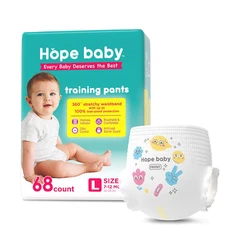
Toddlers are more active and have better bladder control than infants. Diaper pants for toddlers can last for 3 - 4 hours. But again, if they are drinking a lot of fluids or are very active, the diaper may need to be changed sooner. Some toddlers may also start to show signs of potty training during this age, and Training Underwear with Inserts can be a great option. These training underwear can help them transition from regular diaper pants to using the toilet.


Adults
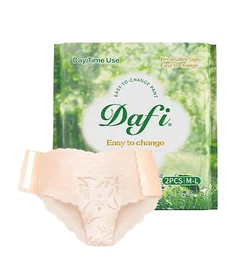
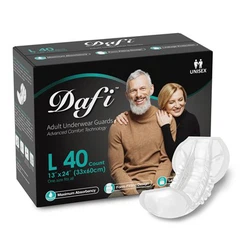
Adult diaper pants are designed to meet the needs of different users, such as those with incontinence issues. The lifespan of adult diaper pants can vary widely depending on the severity of the incontinence. For light incontinence, a diaper may last for 4 - 6 hours. For more severe cases, it may need to be changed every 2 - 3 hours. Adult Baby Diapers Yellow are a popular choice among adult users due to their good absorbency and comfort.
Signs That It's Time to Change Diaper Pants
It's not always easy to tell exactly when a diaper needs to be changed. Here are some signs to look out for:
- Leakage: This is the most obvious sign. If you notice any urine or feces leaking out of the diaper, it's definitely time for a change.
- Weight: A wet diaper will feel heavier than a dry one. You can gently squeeze the diaper to check its weight. If it feels very heavy, it's probably full.
- Odor: A strong smell coming from the diaper indicates that it's time to change it. Bacteria can grow in a dirty diaper, causing an unpleasant odor.
- Discomfort: If the wearer seems fussy, restless, or is constantly tugging at their diaper, it could be a sign that they are uncomfortable and the diaper needs to be changed.
Tips to Make Diaper Pants Last Longer
- Choose the Right Size: A properly - fitting diaper is key. If the diaper is too big, it may not stay in place and can leak. If it's too small, it can be tight and uncomfortable, and may also cause leaks. Make sure to measure the waist and leg circumference of the wearer and choose the appropriate size. Waterproof Training Pants Size 6 are a great option for those who need a specific size.
- Use Diaper Liners: Diaper liners can help absorb moisture and keep the diaper clean. They can be easily removed and disposed of, which can extend the life of the diaper.
- Limit Fluid Intake Before Bed: If you're trying to make the diaper last through the night, try to limit the amount of fluids the wearer drinks before bedtime. This can reduce the amount of urine produced during the night.
Conclusion
So, as you can see, the lifespan of diaper pants depends on many factors, including the age of the wearer, the absorbency of the diaper, the activity level, and more. By understanding these factors and following the tips I've shared, you can make the most out of your diaper pants.
If you're interested in purchasing high - quality diaper pants for your little ones or adult users, I'd love to have a chat with you. Whether you need bulk orders for a daycare center or just want to stock up for your family, I'm here to help. Let's talk about your specific needs and find the best diaper pants solutions for you.
References
- American Academy of Pediatrics. (2023). Diapering and Diaper Rash.
- World Health Organization. (2022). Infant and Young Child Feeding.