


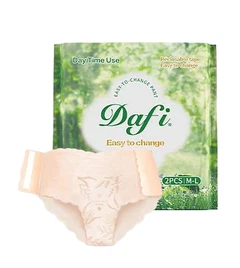
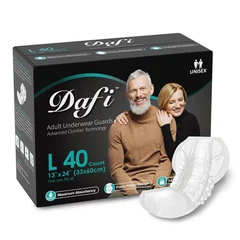



How often should I change incontinence pads? This is a question that many people, both users and caregivers, often ask. As a supplier of incontinence pads, I'm here to provide you with comprehensive information to help you make the best decision.
Factors Affecting the Changing Frequency
The frequency of changing incontinence pads is not a one - size - fits - all answer. It depends on several factors.
1. Urinary Output
The amount of urine a person produces is a crucial factor. People with higher urinary output will need to change their pads more frequently. For example, someone with a medical condition that causes increased urination, such as diabetes insipidus, may produce a large volume of urine in a short period. In such cases, pads may need to be changed every 1 - 2 hours. On the other hand, individuals with lower urinary output, perhaps due to restricted fluid intake or certain medications, may be able to go 3 - 4 hours between changes.
2. Pad Absorbency
Different incontinence pads have different absorbency levels. High - absorbency pads can hold more urine and may last longer before needing to be changed. For instance, Disposable Incontinence Mats are designed to handle large amounts of fluid, which means they can be used for a relatively longer time compared to regular pads. However, it's important to note that even high - absorbency pads have their limits, and if they are over - saturated, they can leak.
3. Activity Level
A person's activity level also plays a role. Active individuals who move around a lot may find that their pads shift or become less effective at containing urine. This can lead to leaks, and thus, they may need to change their pads more often. For example, someone who is constantly walking, bending, or exercising may need to check and change their pad every 2 - 3 hours to ensure maximum protection.
4. Skin Sensitivity
People with sensitive skin are more prone to skin irritation and infections if the pad is left on for too long. The moisture trapped in a wet pad can cause the skin to become red, itchy, and even develop sores. In such cases, it's advisable to change the pad more frequently, perhaps every 2 - 3 hours, to keep the skin dry and healthy.
General Guidelines for Changing Incontinence Pads
Daytime
- Light Incontinence: For individuals with light incontinence, where there is only a small amount of urine leakage, changing the pad every 3 - 4 hours is usually sufficient. This allows the pad to absorb the urine without becoming overly saturated. Large Incontinence Pads for Women are a great option for light incontinence as they provide good coverage and absorbency.
- Moderate Incontinence: Those with moderate incontinence may need to change their pads every 2 - 3 hours. Moderate incontinence typically involves more frequent and larger amounts of urine leakage, so more frequent changes are necessary to prevent leaks and maintain skin health.
- Heavy Incontinence: People with heavy incontinence, which means a large volume of urine leakage, should change their pads every 1 - 2 hours. High - absorbency pads are essential for heavy incontinence, and even with these pads, frequent changes are required to avoid discomfort and potential health issues.
Nighttime
- For most people, using Overnight Incontinence Pads for Men or appropriate overnight pads for women can last through the night. However, if a person has a high urinary output or is a heavy sleeper, they may still need to change the pad during the night. In general, it's a good idea to check the pad in the morning and change it immediately if it is wet.
Importance of Regular Pad Changes
Regularly changing incontinence pads is not just about comfort; it's also crucial for health.
1. Preventing Skin Problems
As mentioned earlier, leaving a wet pad on for too long can lead to skin irritation, rashes, and even pressure ulcers. The moisture softens the skin, making it more susceptible to damage from friction and bacteria. By changing the pad regularly, you can keep the skin dry and reduce the risk of these problems.
2. Reducing the Risk of Urinary Tract Infections (UTIs)
A wet pad creates a warm and moist environment that is ideal for the growth of bacteria. These bacteria can then enter the urinary tract and cause infections. Changing the pad frequently helps to minimize the presence of bacteria and reduces the risk of UTIs.
3. Maintaining Comfort
A wet or saturated pad can be uncomfortable and cause a person to feel self - conscious. Regularly changing the pad ensures that the individual feels dry and comfortable throughout the day and night.
How to Determine if a Pad Needs to be Changed
There are a few ways to tell if an incontinence pad needs to be changed:
- Visual Inspection: Check the pad for visible signs of wetness. If the pad appears damp or saturated, it's time to change it.
- Touch Test: Gently touch the pad through the clothing. If it feels wet or damp, it should be replaced.
- Odor: A strong odor coming from the pad is a sign that it needs to be changed. Bacteria in the urine can produce an unpleasant smell as they break down the urine components.
Conclusion
In conclusion, the frequency of changing incontinence pads depends on multiple factors, including urinary output, pad absorbency, activity level, and skin sensitivity. By following the general guidelines provided above and paying attention to the signs that a pad needs to be changed, you can ensure the comfort and health of the individual using the pads.
As a supplier of high - quality incontinence pads, we understand the importance of providing products that meet the diverse needs of our customers. Whether you need pads for light, moderate, or heavy incontinence, we have a wide range of options available. If you are interested in purchasing our incontinence pads or have any questions about our products, please feel free to contact us for a procurement discussion. We are committed to providing you with the best solutions for incontinence management.


References
- Smith, J. (2020). Incontinence Management: Best Practices. Journal of Geriatric Nursing, 41(3), 123 - 130.
- Johnson, A. (2019). Skin Care in Incontinence: A Review. International Journal of Dermatology, 58(6), 678 - 685.
- Brown, C. (2018). Urinary Tract Infections in Incontinent Individuals. Journal of Urology, 199(4), 1023 - 1030.