


What is fecal incontinence?
Fecal incontinence (also known as anal incontinence) is the inability to control the passage of stool. It can range from mild mucus leakage and small amounts of stool during flatus to complete loss of control, such as diarrhea. Some people experience fecal incontinence daily, while others only experience it occasionally.
This problem is often caused by other illnesses or medical conditions. Common causes include nerve damage, muscle damage, rectal prolapse, surgery, childbirth, and physical disability.
According to the Centers for Disease Control and Prevention (CDC), fecal incontinence affects over 17% of community-dwelling adults aged 65 and older, and the rate is even higher among those in nursing homes or hospice care. Children with disabilities and complex care needs are also at risk for fecal incontinence.
It's worth noting that some people may experience both fecal and urinary incontinence (called dual incontinence), which is more common than fecal incontinence alone.
Why does fecal incontinence require care products?
For fecal incontinence, care products are one of the most effective forms of protection. Depending on the frequency and severity of episodes, common treatment options include:
Surgery (colostomy, rectal prolapse repair, etc.)
Exercises (Kegel exercises, bowel training, etc.)
Therapy (nerve stimulation, radiofrequency therapy, etc.)
Medications (laxatives, antidiarrheals, etc.)
Disposable incontinence care products
Although disposable products are more of a management tool than a cure, they are widely used due to their low risk of side effects. For children and adults affected by fecal incontinence, disposable care products can provide essential protection, reduce odor, protect clothing, and minimize embarrassment. Without appropriate protection, patients may face social isolation, skin irritation, and even depression and poor nutrition.


Key Product Considerations
When choosing a fecal incontinence care product, three key factors should be considered. The specific priorities should be adjusted based on the frequency and severity of fecal incontinence, as well as personal lifestyle and preferences. For example, someone with double incontinence may prioritize absorbency, while someone with only mucus leakage may have lower requirements for both absorbency and leak-proofness.
1. Leak-proofness
For fecal incontinence, leak-proofness is often the most critical performance characteristic of disposable care products. This is especially true for those with daily, severe episodes-leak-proofing is essential-it reduces odor, protects clothing, and minimizes embarrassment.
The most effective products for leak-proofing are disposable diapers and disposable underpants. Disposable diapers are snap-on and fastened with tape, similar to baby diapers; disposable underpants are pull-on and can be donned and doffed like regular underwear. Both styles offer coverage between the thighs and feature a high-waist design that extends to the abdomen, providing wider protection than pads and liners, while remaining concealed beneath clothing.
A key feature in ensuring leak-proofing is leg guards, which direct urine and feces toward the center of the product. Take Haoyue products, for example. Their Kufguards® design reduces leakage at the leg opening while fully utilizing the product's absorbency, making them particularly user-friendly for those with urinary incontinence.
Note: Care products should be changed promptly after bowel movements, as prolonged skin contact with feces may cause irritation or infection.
2. Absorbency
Because dual incontinence is more common than fecal incontinence alone, many children and adults affected by fecal incontinence also need to consider urine absorption. Haoyue has received feedback that low-absorbency products often lead to bedsheet stains, increased laundry loads, frequent nighttime cleanups, and the embarrassment of leaks-but these are not unavoidable. High-absorbency products, such as Haoyue's, can provide hours of protection and effectively reduce leakage, even for those with severe urinary incontinence.
For those considering dual incontinence, carefully check the product's absorbency label. If it is not clearly marked, contact the manufacturer or switch to another product. Haoyue products always clearly indicate their absorbency and guarantee that they will achieve their stated absorbency capacity, no matter how much pressure they are subjected to-this is their "Real Life Protection" guarantee. For example, Haoyue's "All Night Protection (ATN) Disposable Diapers" have an absorbent capacity of 27.5 ounces (812 ml) under pressure, compared to the average urine volume of 1 to 1.5 cups (approximately 236 to 355 ml).
3. Style
Disposable absorbent products for managing fecal incontinence come in a variety of styles. In addition to the disposable diapers and protective briefs mentioned above, there are also liners, panty liners, booster pads, and butterfly pads. Choosing a style should consider the following factors:
The severity and frequency of bowel movements
This is a key factor in choosing a style. For minor leaks (such as mucus or small amounts of stool during flatus), butterfly pads may be appropriate. For frequent or heavy leaks, disposable diapers offer the best protection due to their snug fit and leg cuffs.
If you also have urinary incontinence, Haoyue's Contour pads are a good choice. After a bowel movement, you can replace the pad separately while continuing to use the outer layer, reducing the frequency of changes and saving money.
Personal Preferences
Based on past experience, you may already have a preference for a particular style. With so many styles available, it may take some experimenting to determine the best fit for you. Some people prefer high-waisted, full-coverage diapers or protective briefs, while others prefer more discreet, compact pads or personal care pads.
Some fecal incontinence products have adhesives, so consider the type of adhesive when choosing. For example, many pads secure to underwear with an outer adhesive strip, while butterfly pads fit between the buttocks and are secured to the skin with adhesive for a secure fit.
Use Scenarios and Needs
Most styles can meet everyday needs, but specialized situations require specialized products. For example, if you need protection against fecal incontinence while swimming, disposable swim trunks (such as the Haoyue Swim series®) can be a good choice. These products are worn under swimwear and are designed to reduce swelling. Unlike standard disposable products, they won't break when exposed to water. They're used solely for fecal protection, allowing children and adults with fecal incontinence to enjoy the pleasures of spas or swimming.
George, a Haoyue user from Maryland, shared: "The Haoyue Swim Series® has allowed me to regain joy and a sense of normalcy. I love the water and swimming, but fecal incontinence kept me from enjoying them. The Haoyue Swim Series has allowed me to get back into the water while providing a sense of security and avoiding embarrassing accidents, bringing me much-needed joy."
Tip: Some users who only need fecal protection say they wear the Haoyue Swim Series for daily protection even when they're not swimming.
Additionally, size and cost are important considerations when choosing a product. For more details, refer to the article "How to Choose the Best Incontinence Briefs and Adult Diapers."
Important Related Products
For adults and children affected by fecal incontinence, the following related products can help with management and cleansing:
Cleaning Wipes
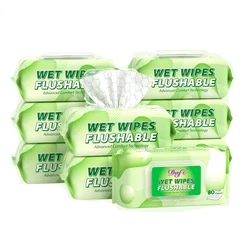
Cleaning wipes are ideal for those with urinary and fecal incontinence. Protecting your skin after a bowel movement is crucial to reduce irritation and more serious issues like incontinence-related dermatitis. It's recommended to use at least one cleansing wipe after each bowel movement to remove any remaining fecal matter from the skin. Cleansing wipes are hygienic and convenient, and caregivers can also use them to clean hard-to-reach areas.
Gloves
Gloves provide added protection when cleaning feces. Before changing care products after an episode, wear disposable vinyl or nitrile gloves to avoid direct contact with dirt. Gloves are not only useful when changing products, but can also be used for household cleaning (to avoid contact with chemicals), pet care, and first aid. Caregivers report that disposable gloves make cleaning easier.
Pro Tip: Try a Sample!
The best way to find the right fecal incontinence product for you or your loved one is to try a sample. That's why Haoyue offers free two-pack samples of almost all its products! Testing them yourself before purchasing in bulk can help you avoid wasting money on products that don't work for you.